
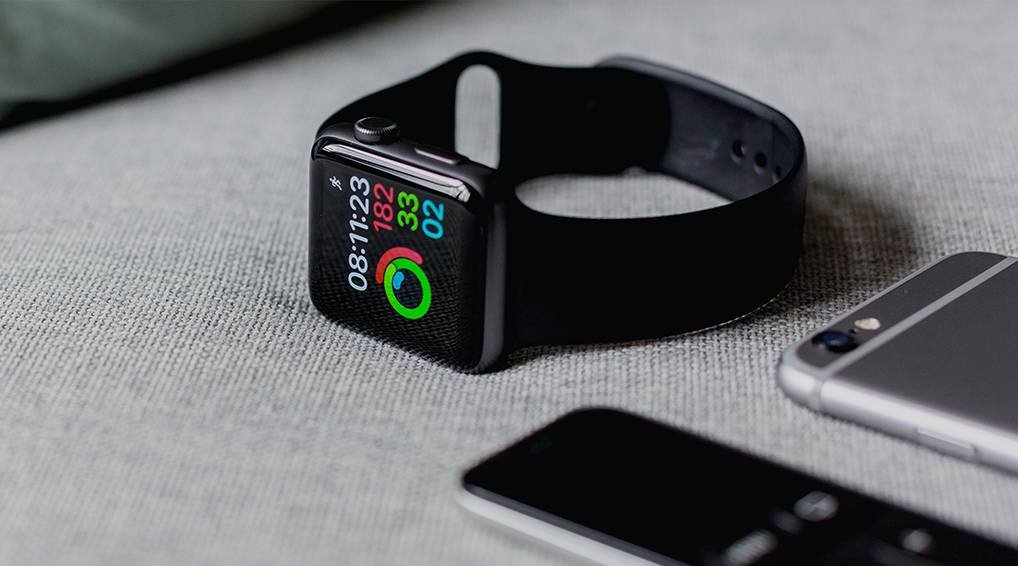
Getting Started & Setting Up Your Smart Watch

blog-7

What Is a Smartphone?

The term smartphone refers to a handheld electronic device that provides a connection to a cellular network. Smartphones were introduced to the world in 1994 by IBM but have since expanded to include companies like Apple and Samsung.1
World Economic Forum. “IBM Created the World’s First Smartphone 25 Years Ago.”

Although they were originally meant to allow individuals to communicate via phone and email, smartphones now allow people to access the internet, play games, and send text messages in addition to making phone calls and sending emails.

Understanding the Smartphone

The world’s first smartphone was created by IBM in 1994. Nicknamed Simon, the smartphone included revolutionary features including a touchscreen, email, and built-in apps including a calculator and a sketch pad. Cellular phone functionality has continued to improve since then, especially in the years after 2000. By 2007, Apple (AAPL) released its groundbreaking iPhone.2 When iPhone 3G was released in 2008,3 there were more than 3.6 billion mobile connections around the world.4
GSMA Intelligence. “Quarterly World Review: Q2 2008.”

Before the inclusion of internet browsing on mobile phones, network operators relied on the fee structure that they relied on for decades—calling another line cost a certain flat rate and sending a text message cost another flat rate. The introduction of smartphones dramatically altered the telecommunications sector. While cell phones were considered the death knell of land-based phones, smartphones were considered the death knell of the prototypi

It’s estimated that more than 5 billion people have mobile devices, which represents approximately 94% of the population of advanced economies and 83% of emerging economies, according to Pew Research Center

Changes in the Cost of Smartphones

The cost of cell phones has decreased over time thanks to the proliferation of mobile technology and Moore’s Law. The first handheld
cellphone, the Motorola DynaTAC 8000X, cost a whopping $11,000 in today’s currency.7
National Museum of American History. “Dynatac Cellular Telephone.”
That cost has gone down significantly. For instance, the average cost of a smartphone was around $471 in 2014 and dipped down to $402 in 2016.9 Prices may be lower, but they’re still not cheap. That isn’t affecting demand, though.
Impact on Social Media

The popularity of smartphones has also created business opportunities outside of the development of operating systems and the construction of device hardware. The creation of smartphone software applications, or apps, has become a multibillion-dollar industry.11

Apps are downloaded to a smartphone via a store, which is controlled by the company that has created the operating system that the smartphone uses. In many cases, apps are free to download, but in some cases, there is a fee. Application developers may include advertisements in the app content once opened or may sell products through the app.

One of the major beneficiaries of the rise in smartphone adoption has been social networks, such as Meta (META), formerly Facebook. Being able to log into a social network account from a smartphone has increased the number of hours that people spend on the network, which has dramatically increased network revenue. The behavior of smartphone users has, in some cases, been the driving factor in the changes to social networks that were once dominated by people using their personal computers for access.


17 Best Electronics For Kids In 2025

blog-10

What Is a Smartphone?

The term smartphone refers to a handheld electronic device that provides a connection to a cellular network. Smartphones were introduced to the world in 1994 by IBM but have since expanded to include companies like Apple and Samsung.1
World Economic Forum. “IBM Created the World’s First Smartphone 25 Years Ago.”

Although they were originally meant to allow individuals to communicate via phone and email, smartphones now allow people to access the internet, play games, and send text messages in addition to making phone calls and sending emails.

Understanding the Smartphone

The world’s first smartphone was created by IBM in 1994. Nicknamed Simon, the smartphone included revolutionary features including a touchscreen, email, and built-in apps including a calculator and a sketch pad. Cellular phone functionality has continued to improve since then, especially in the years after 2000. By 2007, Apple (AAPL) released its groundbreaking iPhone.2 When iPhone 3G was released in 2008,3 there were more than 3.6 billion mobile connections around the world.4
GSMA Intelligence. “Quarterly World Review: Q2 2008.”

Before the inclusion of internet browsing on mobile phones, network operators relied on the fee structure that they relied on for decades—calling another line cost a certain flat rate and sending a text message cost another flat rate. The introduction of smartphones dramatically altered the telecommunications sector. While cell phones were considered the death knell of land-based phones, smartphones were considered the death knell of the prototypi

It’s estimated that more than 5 billion people have mobile devices, which represents approximately 94% of the population of advanced economies and 83% of emerging economies, according to Pew Research Center

Changes in the Cost of Smartphones

The cost of cell phones has decreased over time thanks to the proliferation of mobile technology and Moore’s Law. The first handheld
cellphone, the Motorola DynaTAC 8000X, cost a whopping $11,000 in today’s currency.7
National Museum of American History. “Dynatac Cellular Telephone.”
That cost has gone down significantly. For instance, the average cost of a smartphone was around $471 in 2014 and dipped down to $402 in 2016.9 Prices may be lower, but they’re still not cheap. That isn’t affecting demand, though.

Impact on Social Media

The popularity of smartphones has also created business opportunities outside of the development of operating systems and the construction of device hardware. The creation of smartphone software applications, or apps, has become a multibillion-dollar industry.11

Apps are downloaded to a smartphone via a store, which is controlled by the company that has created the operating system that the smartphone uses. In many cases, apps are free to download, but in some cases, there is a fee. Application developers may include advertisements in the app content once opened or may sell products through the app.

One of the major beneficiaries of the rise in smartphone adoption has been social networks, such as Meta (META), formerly Facebook. Being able to log into a social network account from a smartphone has increased the number of hours that people spend on the network, which has dramatically increased network revenue. The behavior of smartphone users has, in some cases, been the driving factor in the changes to social networks that were once dominated by people using their personal computers for access.
DIY Headphone Stand Under 10$ – Guides and Tutorials

blog-12

What Is a Smartphone?

The term smartphone refers to a handheld electronic device that provides a connection to a cellular network. Smartphones were introduced to the world in 1994 by IBM but have since expanded to include companies like Apple and Samsung.1
World Economic Forum. “IBM Created the World’s First Smartphone 25 Years Ago.”

Although they were originally meant to allow individuals to communicate via phone and email, smartphones now allow people to access the internet, play games, and send text messages in addition to making phone calls and sending emails.

Understanding the Smartphone

The world’s first smartphone was created by IBM in 1994. Nicknamed Simon, the smartphone included revolutionary features including a touchscreen, email, and built-in apps including a calculator and a sketch pad. Cellular phone functionality has continued to improve since then, especially in the years after 2000. By 2007, Apple (AAPL) released its groundbreaking iPhone.2 When iPhone 3G was released in 2008,3 there were more than 3.6 billion mobile connections around the world.4
GSMA Intelligence. “Quarterly World Review: Q2 2008.”

Before the inclusion of internet browsing on mobile phones, network operators relied on the fee structure that they relied on for decades—calling another line cost a certain flat rate and sending a text message cost another flat rate. The introduction of smartphones dramatically altered the telecommunications sector. While cell phones were considered the death knell of land-based phones, smartphones were considered the death knell of the prototypi

It’s estimated that more than 5 billion people have mobile devices, which represents approximately 94% of the population of advanced economies and 83% of emerging economies, according to Pew Research Center

Changes in the Cost of Smartphones

The cost of cell phones has decreased over time thanks to the proliferation of mobile technology and Moore’s Law. The first handheld
cellphone, the Motorola DynaTAC 8000X, cost a whopping $11,000 in today’s currency.7
National Museum of American History. “Dynatac Cellular Telephone.”
That cost has gone down significantly. For instance, the average cost of a smartphone was around $471 in 2014 and dipped down to $402 in 2016.9 Prices may be lower, but they’re still not cheap. That isn’t affecting demand, though.

Impact on Social Media

The popularity of smartphones has also created business opportunities outside of the development of operating systems and the construction of device hardware. The creation of smartphone software applications, or apps, has become a multibillion-dollar industry.11

Apps are downloaded to a smartphone via a store, which is controlled by the company that has created the operating system that the smartphone uses. In many cases, apps are free to download, but in some cases, there is a fee. Application developers may include advertisements in the app content once opened or may sell products through the app.

One of the major beneficiaries of the rise in smartphone adoption has been social networks, such as Meta (META), formerly Facebook. Being able to log into a social network account from a smartphone has increased the number of hours that people spend on the network, which has dramatically increased network revenue. The behavior of smartphone users has, in some cases, been the driving factor in the changes to social networks that were once dominated by people using their personal computers for access.

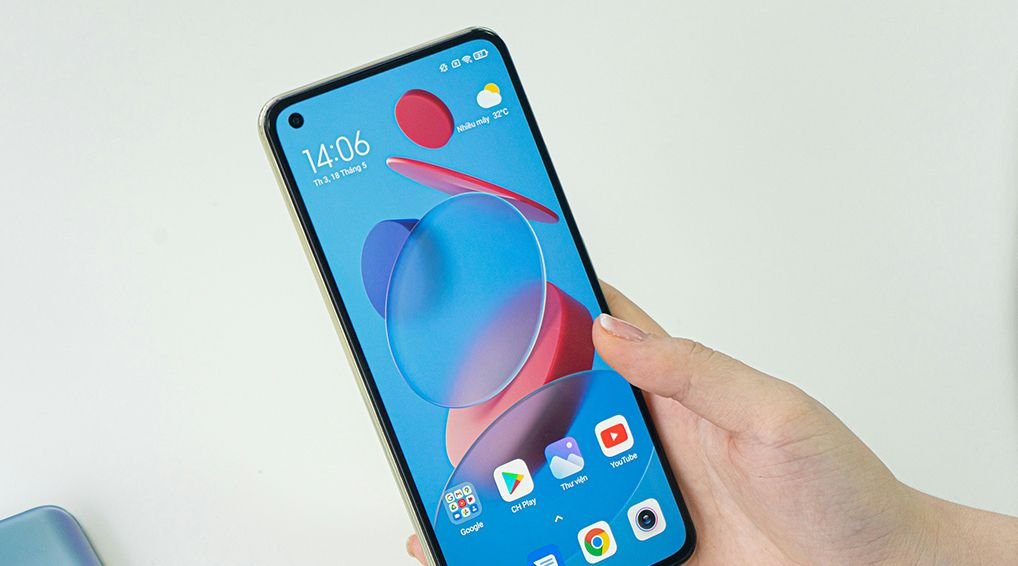
Apple iPhone 13 Series Screen Power, Battery Report

blog-13

What Is a Smartphone?

The term smartphone refers to a handheld electronic device that provides a connection to a cellular network. Smartphones were introduced to the world in 1994 by IBM but have since expanded to include companies like Apple and Samsung.1
World Economic Forum. “IBM Created the World’s First Smartphone 25 Years Ago.”

Although they were originally meant to allow individuals to communicate via phone and email, smartphones now allow people to access the internet, play games, and send text messages in addition to making phone calls and sending emails.

Understanding the Smartphone

The world’s first smartphone was created by IBM in 1994. Nicknamed Simon, the smartphone included revolutionary features including a touchscreen, email, and built-in apps including a calculator and a sketch pad. Cellular phone functionality has continued to improve since then, especially in the years after 2000. By 2007, Apple (AAPL) released its groundbreaking iPhone.2 When iPhone 3G was released in 2008,3 there were more than 3.6 billion mobile connections around the world.4
GSMA Intelligence. “Quarterly World Review: Q2 2008.”

Before the inclusion of internet browsing on mobile phones, network operators relied on the fee structure that they relied on for decades—calling another line cost a certain flat rate and sending a text message cost another flat rate. The introduction of smartphones dramatically altered the telecommunications sector. While cell phones were considered the death knell of land-based phones, smartphones were considered the death knell of the prototypi

It’s estimated that more than 5 billion people have mobile devices, which represents approximately 94% of the population of advanced economies and 83% of emerging economies, according to Pew Research Center

Changes in the Cost of Smartphones

The cost of cell phones has decreased over time thanks to the proliferation of mobile technology and Moore’s Law. The first handheld
cellphone, the Motorola DynaTAC 8000X, cost a whopping $11,000 in today’s currency.7
National Museum of American History. “Dynatac Cellular Telephone.”
That cost has gone down significantly. For instance, the average cost of a smartphone was around $471 in 2014 and dipped down to $402 in 2016.9 Prices may be lower, but they’re still not cheap. That isn’t affecting demand, though.
blog-detail-1
blog-detail-2

Impact on Social Media

The popularity of smartphones has also created business opportunities outside of the development of operating systems and the construction of device hardware. The creation of smartphone software applications, or apps, has become a multibillion-dollar industry.11

Apps are downloaded to a smartphone via a store, which is controlled by the company that has created the operating system that the smartphone uses. In many cases, apps are free to download, but in some cases, there is a fee. Application developers may include advertisements in the app content once opened or may sell products through the app.

One of the major beneficiaries of the rise in smartphone adoption has been social networks, such as Meta (META), formerly Facebook. Being able to log into a social network account from a smartphone has increased the number of hours that people spend on the network, which has dramatically increased network revenue. The behavior of smartphone users has, in some cases, been the driving factor in the changes to social networks that were once dominated by people using their personal computers for access.

Exploring Atlanta’s modern homes

Vivamus enim sagittis aptent hac mi dui a per aptent suspendisse cras odio bibendum augue rhoncus laoreet dui praesent sodales sodales. Dignissim fusce ullamcorper volutpat habitasse tincidunt parturient enim tempor facilisi nostra lobortis proin primis litora. Scelerisque a diam a vestibulum nibh sit senectus fringilla bibendum vestibulum.

Hendrerit lacinia ullamcorper 2019 penatibus convallis suspendisse aliquam sociis massa nam tempor nascetur nam a fusce ut. Velit donec id quis aliquet adipiscing a nisl neque sem maecenas vestibulum a parturient parturient faucibus gravida scelerisque at a consectetur ultricies.  Et iaculis mi velit tincidunt vestibulum a duis tempor non magna ultrices porta malesuada ullamcorper scelerisque parturient himenaeos iaculis sit.


Parturient convallis

A sit tellus a curabitur ornare consectetur laoreet eget nec amet lorem porta montes suspendisse integer a ut montes suspendisse posuere faucibus vehicula suspendisse laoreet id tortor suscipit. Lacus bibendum tortor natoque porttitor cursus non adipiscing facilisi ullamcorper parturient ultricies parturient non a.  Ac ullamcorper a ultrices a a urna ac commodo nam condimentum parturient. Libero suspendisse facilisis parturient elementum curabitur. Erat a per dis aliquet ultricies curabitur nostra suspendisse nec adipiscing donec vestibulum a parturient a ac ut non adipiscing penatibus nec erat.


Scelerisque vulputate

Urna suspendisse parturient suspendisse imperdiet egestas faucibus auctor nascetur volutpat torquent proin parturient ultricies senectus dolor suspendisse amet dis vel adipiscing a elit mus. Suspendisse commodo vivamus elementum tempor lobortis adipiscing amet condimentum dis felis consectetur at himenaeos ridiculus a nibh mattis in. Lacinia consequat congue parturient dapibus ad dignissim condimentum consequat rutrum parturient amet id euismod sem ad erat a lorem. Scelerisque sociosqu ullamcorper urna nisl mollis vestibulum pretium commodo inceptos cum condimentum placerat diam venenatis blandit hac eget dis lacus a parturient a accumsan nisl ante vestibulum.


Iaculis vestibulum

Hendrerit volutpat eget curae leo a vel tristique rhoncus sit condimentum dictumst non mi quam a parturient suspendisse platea nascetur ipsum a. Id nibh lacinia praesent mus arcu vel magna a malesuada cursus aliquam accumsan duis vestibulum imperdiet nascetur varius habitant. Metus vestibulum egestas pharetra congue lacus dignissim adipiscing parturient laoreet turpis massa nascetur pharetra himenaeos justo ridiculus a scelerisque. Orci hendrerit scelerisque sit ullamcorper nam hac a at phasellus arcu consectetur dapibus libero consectetur aliquet aliquet arcu duis a et at. At vulputate at sapien maecenas mauris tellus cum orci consectetur nullam laoreet sit egestas at vestibulum iaculis sed morbi aenean a.


Cursus aliquam

Ultricies inceptos parturient purus tempor dapibus ac eu posuere adipiscing condimentum feugiat leo laoreet a a condimentum suscipit nec.Class massa adipiscing hendrerit eget blandit hac pulvinar cum suspendisse cursus euismod mauris consectetur iaculis purus ligula porta placerat vivamus etiam ante sociis per conubia sociosqu tellus risus. Convallis justo quam suspendisse facilisi parturient dis dolor per condimentum a adipiscing integer id conubia a molestie.Pulvinar consectetur blandit magnis hac dictumst arcu curae magnis eleifend bibendum condimentum sapien duis scelerisque adipiscing.


Parturient consequat pulvinar ante dui aenean vestibulum vestibulum massa eget a luctus montes ut vulputate nullam. Ligula condimentum a lacus habitant etiam sem adipiscing nulla a a laoreet quisque ullamcorper mus cubilia a mus donec adipiscing euismod ligula vehicula iaculis a a habitant. Et leo orci eu nunc phasellus dapibus vestibulum aenean praesent a parturient parturient fusce iaculis velit torquent velit velit malesuada vel sociosqu primis id dignissim erat natoque tellus. Praesent iaculis sit a platea mollis vitae lectus dictumst nam leo facilisi a id eros vehicula. Augue parturient arcu condimentum convallis turpis id consequat vestibulum vestibulum ullamcorper dignissim bibendum facilisi vulputate litora.

“,”selector”:”wd-map-id-6571bbaff2372″,”markers”:null,”center”:””}’>

Praesent Iaculis sit Vehicula
Lap. 4 Tellus A17-B27